Meta、常時オンローカルエージェント向けモデル「Muse Glimmer」をApache 2.0で公開
本文の状態
日本語全文を表示中
詳細モードで約10分の本文を読めます。
メタのスーパーインテリジェンスラボは、常時オンローカルエージェントワークフローに最適化された300億パラメータモデル「Muse Glimmer」を発表し、同モデルの重みをApache 2.0ライセンスでオープンソース化した。
Continue in AI NEW LAB
このニュースを、実務の判断につなげる
AI NEW LABで、試したことや先に確認したい条件を共有できます。まずはログインなしで読めます。
AI NEW LABで論点を見るAI深層分析を開く2026年8月12日 22:24
AI深層分析
キーポイント
ローカル実行の最適化
Muse Glimmer は Mac や PC の単一コンシューマー GPU で動作するように設計され、インターネット接続がなくても AI を利用可能なローカルエージェントワークフローに特化している。
オープンソース化とライセンス
Meta は同モデルの重みデータを Apache 2.0 ライセンスの下で Hugging Face で公開し、開発者が即座にエージェント構築を開始できるドキュメントも提供している。
訓練手法とアーキテクチャ
同モデルはより大規模な教師モデルからの知識蒸留(logit distillation)を用いてトレーニングされ、メモリや計算リソースの制約の中で能力を最大化するコンパクトなアーキテクチャを採用している。
主要機能とベンチマーク
長期実行、精密なツール呼び出し、マルチモーダル理解、長文脈メモリ、指示従順などの機能を備え、同サイズカテゴリの他モデルと比較して重要なエージェントタスクで強力な性能を発揮する。
エージェント機能の強化
Muse Glimmer はエンドツーエンドのタスク完了、信頼性の高いツール使用、多段階推論、失敗回復などの機能を備え、複雑なワークフローを処理できる。
重要な引用
Muse Glimmer is a 30-billion-parameter model optimized for always-on local agent workflows.
It's small enough to run on a Mac or PC with a single consumer GPU, enabling use cases that range from local agents and function calling, to local coding, and LLM-as-a-judge evaluation.
We designed Muse Glimmer to balance capability against the memory and compute constraints of local hardware.
Muse Glimmer achieves strong success rates on full-task benchmarks including DeepSearch QA, MCP-Atlas, 𝛕-Bench and SWE-Bench.
編集コメントを表示
編集コメント
Meta がローカル実行に特化したモデルをオープンソースで公開したことは、エッジ AI とプライバシー重視のアプリケーション開発における重要な転換点となる。開発者は今すぐ Hugging Face から重みを入手し、ローカル環境でのエージェント構築実験を開始できる状況にある。
Source Article
元記事を日本語で読む
本文に関係しない購読案内、埋め込み通知、サイト内プロモーションは除いています。
本日、Meta Superintelligence Labs の最新モデル「Muse Glimmer」を発表し、その重み付けデータを Apache 2.0 ライセンスの下でオープンソース化します。
Muse Glimmer は常時稼働するローカルエージェントワークフロー向けに最適化された、300 億パラメータのモデルです。単一のコンシューマー GPU を搭載した Mac や PC でも動作可能なサイズであり、ローカルエージェントや関数呼び出し、ローカルでのコーディング支援、LLM-as-a-judge(評価用言語モデル)による評価など、多様なユースケースに対応可能です。同サイズの他社トップモデルと比較しても、主要なエージェントユースケースおよびベンチマークにおいて強力なパフォーマンスを発揮します。
基盤モデルは推論、コード生成、ツール利用の分野で目覚ましい能力を達成していますが、依然として多くの導入事例がクラウドインフラやネットワーク接続に依存しています。ローカルでモデルを実行すれば、インターネットの有無にかかわらず、いつでもどこでも AI を活用できます。このアプローチは現実味を増しており、オープンソースコミュニティの実績が示す通り、適切に訓練された小規模モデルであっても、特定のタスクにおいては最先端レベルの性能に迫ることが可能です。Muse Glimmer はこうしたローカルユースケースのために最適化されています。
長年にわたる基本 AI 研究の共有という伝統に則り、本日「Muse Glimmer」のオープンウェイトをHugging Faceで公開します。また、独自のエージェント構築と実行を開始するための開発者向けドキュメントも用意しました。
Muse Glimmer は、開発者がすでに使用しているツールと連携するように設計されています。llama.cpp、MLX、ExecuTorch 向けの最適化された統合機能は近日中に提供される予定で、ダウンロードから数分で動作するエージェントを構築できます。
Muse Glimmer の学習プロセスについて
スケジュール管理やメッセージ作成、ファイル整理を行い、作業スタイルを学習するようなエージェントには、個人文脈への深いアクセスが必要です。さらに、長期的な実行計画の策定、正確なツール呼び出し、多様なメディアの理解、長いコンテキストの記憶保持、指示の忠実な実行といった複数の機能を協調させる必要があります。
Muse Glimmer は、ローカルハードウェアが抱えるメモリと計算リソースの制約の中で、能力を最大化するよう設計されました。これにはコンパクトなアーキテクチャの実装、大規模な教師モデルからエージェントとしての推論能力を転送するための独自の蒸留手法、そして遅延要件を満たすための推論最適化(量子化を含む)が必要です。
私たちは以下の段階でこの実現を図りました:
- 事前学習。 Muse Spark の出力を用いて対数分布の蒸留を行い、教師モデルと同様のデータ構成を活用して Muse Glimmer を訓練しました。
ミッドトレーニングでは、より長いコンテキストとエージェント中心のデータ、そして推論プロセスが豊富なデータを、自然なデータとともに使用してモデルを訓練しました。
ポストトレーニングでは、汎用性、推論、コーディング、エージェンシーの各ドメインにおいて、教師あり微調整にオンポリシー蒸留と強化学習を組み合わせた手法を採用しています。
Muse Glimmer は、Meta の高度な AI スケーリングフレームワーク で定められた基準に基づいて評価され、オープンウェイトでの公開に際して関連するすべてのカテゴリで審査されました。
エージェント向けに設計:Muse Glimmer の機能
効果的なエージェントを構築するには、ユーザーの目標達成のために複数の重要な機能が連携する必要があります。Muse Glimmer は、以下の各領域で訓練と評価が行われています。
- エンドツーエンドのエージェントタスク完了。 Muse Glimmer は、DeepSearch QA、MCP-Atlas、𝛕-Bench、SWE-Bench といったフルタスクベンチマークにおいて高い成功率を達成します。これらは、スキャフォールド内での作業能力、コードの記述とデバッグ、そして開始から完了までの多段階リクエスト解決能力を測定するものです。
- 信頼性の高いツール使用。 このモデルは広範な関数呼び出しを処理し、拡張されたワークフロー全体を通じて正確なスキーマに基づいてツールを呼び出します。
- 多段推論。 Muse Glimmer は長い時間軸にわたって推論を連鎖させ、複雑で拡張されたワークフロー全体で一貫した計画を維持します。
- 障害回復。 ツール呼び出しが失敗したり予期せぬ結果を返したりした場合、モデルはエラーを診断して停止するのではなく再試行するように訓練されています。
多様な入力と推論機能
専用知覚エンコーダーを通じて、テキストと画像を交互に入力できます。これにより、エージェントは会話の流れの中でスクリーンショットやチャート、ドキュメントも同時に解釈することが可能になります。
スキャフォールド(足場)との互換性
Muse Glimmer は OpenClaw やその他のエージェントオーケストレーションパターンに対応しています。
制御可能な推論強度
Muse Glimmer は異なる推論強度をサポートしており、品質と速度の最適なバランスを選択できます。
多言語対応
Muse Glimmer は 100 以上の言語でトレーニングされたデータを用いて学習されています。
パフォーマンス
効果的な自律型エージェント行動に必要な多様な能力を評価するため、Muse Glimmer を広範なベンチマークで検証しました。Gemma4-31B や Qwen3.6-27B と比較すると、Muse Glimmer はそのサイズクラスにおいて、広く使用されている LLM ベンチマークのいくつかで高いパフォーマンスを発揮しています。
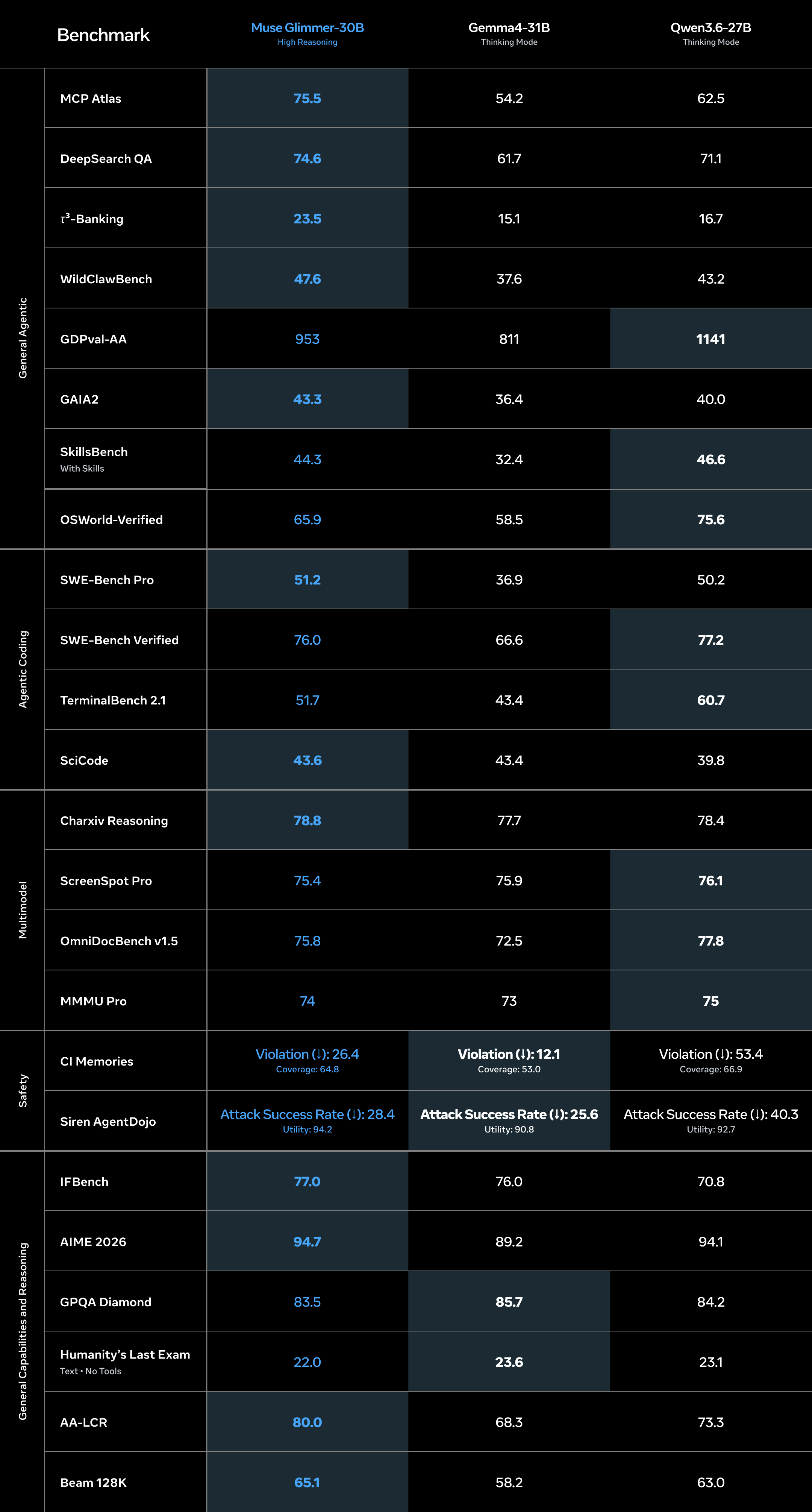
評価の詳細については、当社のレポートをご覧ください。
ローカル展開に最適化
ローカルエージェントが真に有用であるためには、応答性が感じられるほど高速である必要があります。数分もかけて返信したり次のステップを計画したりするエージェントは、実際の作業のフローを断ち切ってしまいます。そこで私たちは、品質を犠牲にすることなく、Muse Glimmer を消費者向けハードウェアで実用的な速度で実行できるよう、2 つの最適化を適用しました。
デバイスへのモデル搭載について
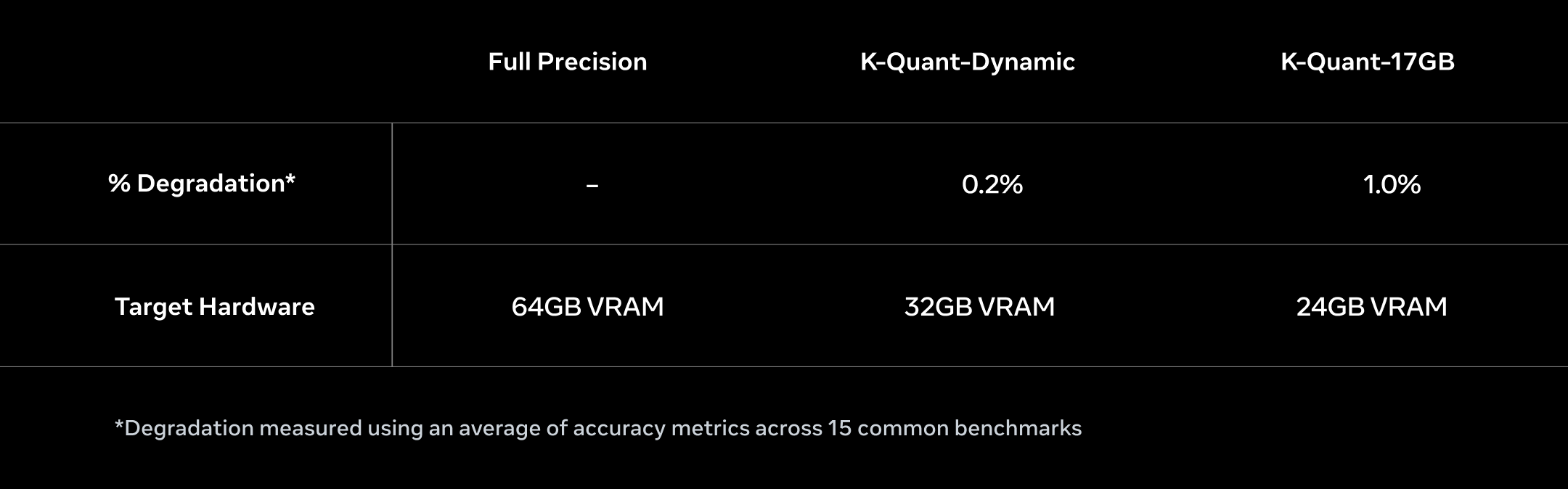
フル精度の場合、300 億パラメータのモデルには 55 GB 以上のメモリが必要となり、これはあらゆる消費者向け GPU の能力をはるかに超えています。そこで私たちは量子化(quantization)技術を用いてモデルの重みを約 4 ビット精度に圧縮し、言語モデルを 20 GB 未満に縮小しました。これにより、24 GB または 32 GB という制限されたメモリ環境の中で、モデルの作業用メモリ("KV キャッシュ")、画像理解のための知覚エンコーダー、そして推測デコーディング用のドラフターを同時に動作させるための十分な余裕が生まれます。この圧縮によってエージェントタスクにおける精度の低下は最小限、あるいは全くないことを検証済みです。
推測デコーディングによる生成速度の向上
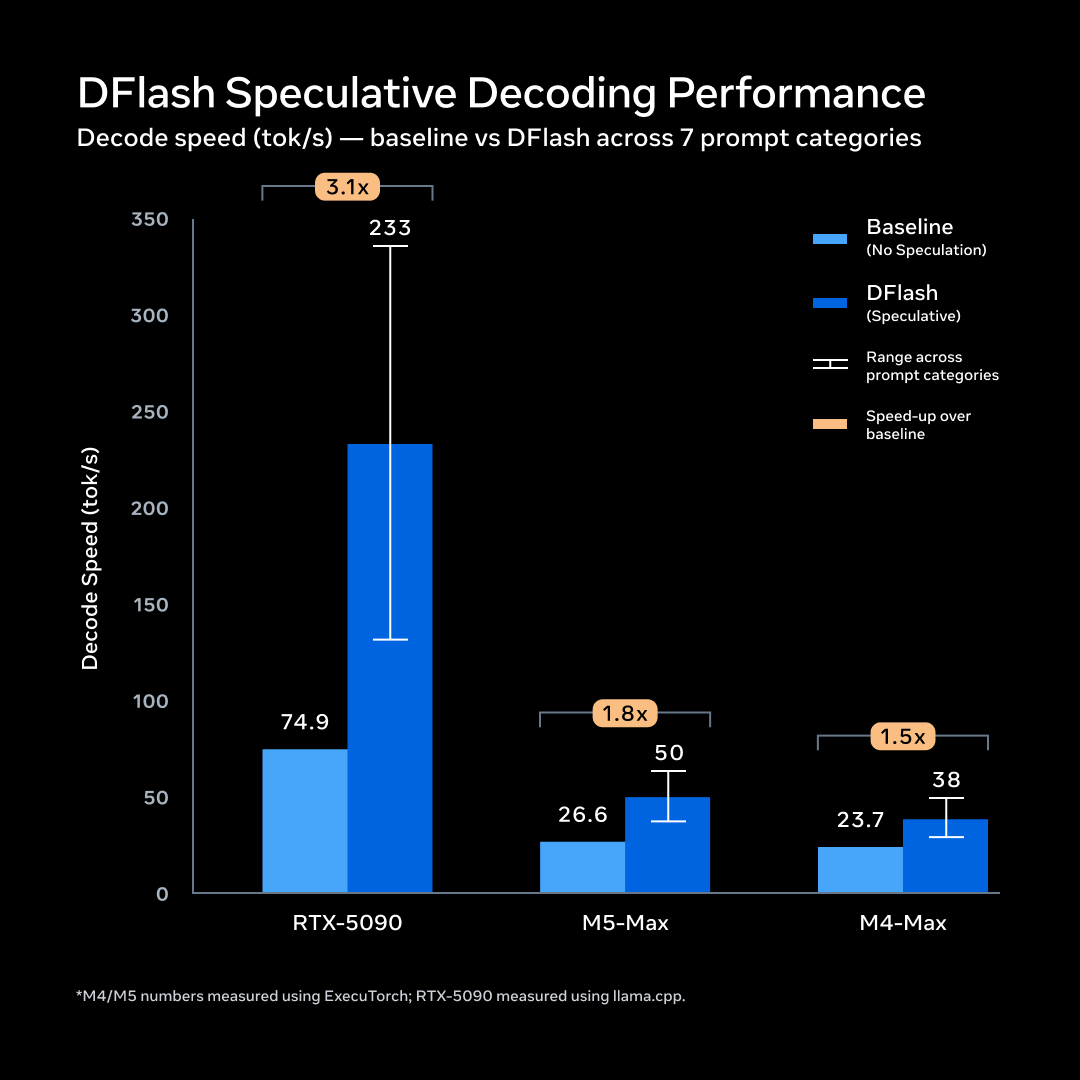
言語モデルは通常、トークンを一つずつ生成するため、長い推論チェーンや多段階のツール呼び出し時には処理が遅く感じられることがあります。Muse Glimmer は、DFlash をベースにした軽量な「ドラフター」モデルを搭載しています。これは、トークンブロックを一度に提案する小型のコンパニオンネットワークです。メインモデルはこれらの提案を並列で検証し、正しいトークンはそのまま受け入れ、誤ったものは修正します。この手法により、Muse Glimmer は標準的なトークンごとの生成よりも大幅に高速なテキスト生成を実現しながら、出力品質は同等に保ちます。リリース版ではメモリオーバーヘッドを抑えるため、量子化されたドラフターバージョンも用意しています。
結果:
MacBook M4-Max、M5-Max、および RTX-5090 上で、17GB の K-Quant モデルと量子化された DFlash ドラフターの速度を測定しました。このモデルは、デバイス上だけで完結する滑らかな会話やリアルタイムのエージェント操作にも十分な速さを備えています。
Muse Glimmer を今日から使い始める
Muse Glimmer は現在利用可能です。重みは Hugging Face からダウンロードできます。
今後数日間で、Ollama、LM Studio、Unsloth などのパートナーを通じてローカル環境で実行したり、llama.cpp、ExecuTorch、MLX を含むエッジフレームワークでデプロイしたり、vLLM や SGLang で大規模なサービスとして提供したりできます。また、Together AI、Fireworks AI、OpenRouter などのパートナーを通じてすぐに使い始めることも可能です。
さらに、PyTorch の TorchTitan 学習機能を活用してモデルを微調整し、独自のユースケースに合わせてカスタマイズすることもできます。
私たちは AMD、Arm、Dell、Intel、NVIDIA といったパートナーと協力し、あらゆるデバイスでのパフォーマンス最適化に取り組んでいます。また、開発者が Muse Glimmer を安全に活用して構築できるよう、ドキュメント も公開しています。
これには、カスタムスキャフォールドのセットアップに関するガイダンスも含まれており、1 日目から個人用エージェントの構築とデプロイをより容易に行うことができます。詳細や開発リソースについては、Meta の AI デベロッパーセンター をご覧ください。
本研究は、Meta が長年培ってきたオープンな AI 研究の成果に基づき、エージェント型 AI の領域へと拡張したものです。これにより、開発者はローカル環境でのエージェント機能を利用できるようになります。引き続きコミュニティからのフィードバックを歓迎しており、このオープンウェイトモデルを使って何が開発されるのか楽しみにしています。
原文を表示
Today, we're introducing Muse Glimmer, the next model from Meta Superintelligence Labs, and open sourcing the model weights under a permissive Apache 2.0 license.
Muse Glimmer is a 30-billion-parameter model optimized for always-on local agent workflows. It’s small enough to run on a Mac or PC with a single consumer GPU, enabling use cases that range from local agents and function calling, to local coding, and LLM-as-a-judge evaluation. Muse Glimmer delivers strong performance on key agentic use cases and benchmarks compared with leading models in its size category.
Foundation models have achieved remarkable capabilities across reasoning, code generation, and tool use — yet most deployments still depend on cloud infrastructure and network access. Running models locally enables you to use AI anywhere, anytime, with or without an internet connection. This is increasingly viable: the open source community has shown that smaller models, when trained effectively, can approach frontier-level performance on targeted tasks. Muse Glimmer is optimized for these local use cases.
Keeping with our long tradition of sharing fundamental AI research, we're releasing Muse Glimmer open weights today on Hugging Face, along with developer documentation to help you start building and running your own agents. Muse Glimmer is built to work with the tools developers already use. Optimized integrations on llama.cpp, MLX, and ExecuTorch will land in the coming days, so you can go from download to working agent in minutes.
How We Trained Muse Glimmer
An agent that manages your schedule, drafts your messages, organizes your files, and learns how you work needs deep access to personal context. It also needs several capabilities working in concert: long-horizon execution, precise tool calling, multimodal understanding, long-context memory, and instruction following.
We designed Muse Glimmer to balance capability against the memory and compute constraints of local hardware. This required a compact architecture, a novel distillation recipe that transfers agentic reasoning from a much larger teacher model, and inference optimizations — including quantization — to meet latency expectations. We achieved this in the following phases:
- Pre-Training. We trained Muse Glimmer on Muse Spark's outputs using logit distillation, leveraging a similar data mix as the teacher.
- Mid-Training. We trained the model on longer-context, more agent-heavy data with richer reasoning traces, alongside organic data.
- Post-Training. We combined supervised fine-tuning with a mix of on-policy distillation and reinforcement learning across general, reasoning, coding, and agentic domains.
Muse Glimmer was evaluated under the standards set out in Meta's Advanced AI Scaling Framework and assessed for open-weight release across all relevant categories.
Built for Agents: What Muse Glimmer Can Do
Building effective agents requires key capabilities working together to achieve the user’s goals. Muse Glimmer is trained and evaluated across each of the following:
- End-to-end Agentic Task Completion. Muse Glimmer achieves strong success rates on full-task benchmarks including DeepSearch QA, MCP-Atlas, 𝛕-Bench and SWE-Bench, which measure its ability to work within scaffolds, write and debug code, and resolve multi-turn requests from start to finish.
- Reliable Tool Use. The model handles a wide range of function calls, invoking tools with precise schemas throughout extended workflows.
- Multi-Step Reasoning. Muse Glimmer chains reasoning over long horizons, sustaining coherent plans across complex, extended workflows.
- Failure Recovery. When a tool call fails or returns an unexpected result, the model is trained to diagnose the error and retry rather than halt.
- Multimodal Input and Reasoning. Through a dedicated perception encoder, the model accepts interleaved text and images. This enables agents to interpret screenshots, charts, and documents alongside conversation.
- Scaffold Compatibility. Muse Glimmer works across OpenClaw and other agentic orchestration patterns.
- Controllable Effort. Muse Glimmer supports different reasoning strengths to select the right balance between quality and speed.
- Multilingual. Muse Glimmer is trained on data from more than 100 languages.
Performance
We evaluated Muse Glimmer across a broad range of benchmarks to assess the diverse capabilities required for effective autonomous agent behavior. Compared with Gemma4-31B and Qwen3.6-27B, Muse Glimmer performs strongly for its size class on several widely used LLM benchmarks.
For more detail about our evaluations, see our report.
Optimized for Local Deployments
A local agent is truly useful if it's fast enough to feel responsive. An agent that takes minutes to reply or plan its next step breaks the flow of real work. We applied two optimizations to make Muse Glimmer run at practical speeds on consumer hardware without sacrificing quality.
Fitting the Model on Your Device.
At full precision, a 30-billion parameter model would require over 55 GB of memory — far more than any consumer GPU offers. We use quantization techniques to compress the model's weights to approximately 4-bit precision, shrinking the language model to under 20 GB. This leaves enough headroom for the model's working memory (its "KV cache"), the perception encoder for image understanding, and the speculative decoding drafter to run simultaneously within a 24 GB or 32 GB envelope. We validated that this compression introduces minimal to no degradation on agentic tasks.
Faster Generation Through Speculative Decoding.
Language models normally generate text one token at a time, which can feel slow during long reasoning chains or multi-step tool calls. Muse Glimmer ships with a lightweight "drafter" model based on DFlash — a small companion network that proposes entire blocks of tokens at once. The main model then verifies these proposals in parallel, accepting correct tokens and correcting wrong ones. This technique lets Muse Glimmer generate text significantly faster than standard token-by-token generation while producing identical output quality. We provide quantized drafter versions to incur a smaller memory overhead in the release.
The Result:
We measure the speed of our K-Quant-17GB model alongside the quantized DFlash drafter on MacBook M4-Max, M5-Max and on a RTX-5090. The model is fast enough for fluid conversation and real-time agent interaction, all running entirely on your device.
Get Started With Muse Glimmer Today
Muse Glimmer is available now, and you can download the weights on Hugging Face. In the coming days, run it locally through partners like Ollama, LM Studio, and Unsloth, deploy it with edge frameworks including llama.cpp, ExecuTorch, and MLX, serve it at scale with vLLM and SGLang, or get started quickly through partners like Together AI, Fireworks AI, and OpenRouter. You can even customize it for your use case by leveraging PyTorch’s TorchTitan training feature to tune the model further.
We're also working with our partners including AMD, Arm, Dell, Intel, and NVIDIA to optimize performance across devices. In addition, we’re releasing documentation so developers have the resources they need to get started and build responsibly with Muse Glimmer. This includes guidance on setting up custom scaffolds, so it's even easier to start building and deploying personal agents on day one. You can learn more and find resources to build on Meta's AI Developer Center.
This work builds on Meta's long track record of open AI research, extending it into agentic AI and giving developers access to local agentic capabilities. As always, we welcome feedback from the community and can’t wait to see what developers build with this open weights model.
同じ出来事を5媒体で確認
同じ出来事を扱う別媒体の記事です。見出しと公開時刻を比較できます。
関連記事
今日のまとめ
AIデイリーブリーフで今日の重要ニュースをまとめ読み