fetch() HTTP範囲リクエストを用いた二分探索によるUnicodeエクスプローラー
本文の状態
日本語全文を表示中
詳細モードで約2分の本文を読めます。
同じ出来事の情報源
この情報源を基点に整理
Andrej Karpathy 厳選
開発者がClaudeと共にHTTP範囲リクエストと二分探索を組み合わせ、大規模ファイルからUnicode文字を効率的に検索するプロトタイプを構築した。
Source Article
元記事を日本語で読む
本文に関係しない購読案内、埋め込み通知、サイト内プロモーションは除いています。
fetch()のHTTP範囲リクエストを用いた二分探索によるUnicodeエクスプローラー
これは、HTTP範囲リクエストの実験として、また、好奇心を満たすためにLLMを利用する一例として、今朝スマートフォンから作った小さなプロトタイプです。
私は以前からHTTP範囲リクエストの手法を集めていて、大きなファイルに対して二分探索を行って何か役に立つことをするツールを、自分で作ってみたら面白いだろうと考えました。
そこでClaudeとブレインストーミングを行いました。課題は、データが自然にソートされており、二分探索のメリットを活かせるユースケースを見つけることでした。
Claudeが提案した案の一つが、Unicodeコードポイントの情報を検索するというもので、これは数MBに及ぶメタデータの中を検索することを意味します。
私はClaudeに仕様書を書かせ(ここで閲覧可能)、それをClaude Codeに渡しました。その後、私のsimonw/researchリポジトリに対して、Claude Code for webを使った非同期の研究プロジェクトを開始し、その仕様を実際に動作するコードへと変換しました。
結果のレポートとコードはこちらです。この過程で学んだ興味深い点の一つは、Rangeリクエストの手法はバイトオフセットの計算を狂わせるため、HTTP圧縮と互換性がないということです。fetch()呼び出しに'Accept-Encoding': 'identity'を追加しましたが、これは実際には必要ありません。Cloudflareや他のCDNは、content-rangeヘッダーが存在する場合、自動的に圧縮を省略するからです。
私は、まずコードを調整して、Cloudflareがフロントに立つS3バケット内のCORSが有効な76.6MBファイルに対して範囲リクエストでデータを問い合わせるようにし、その後、結果を自分のtools.simonwillison.netサイトにデプロイしました。
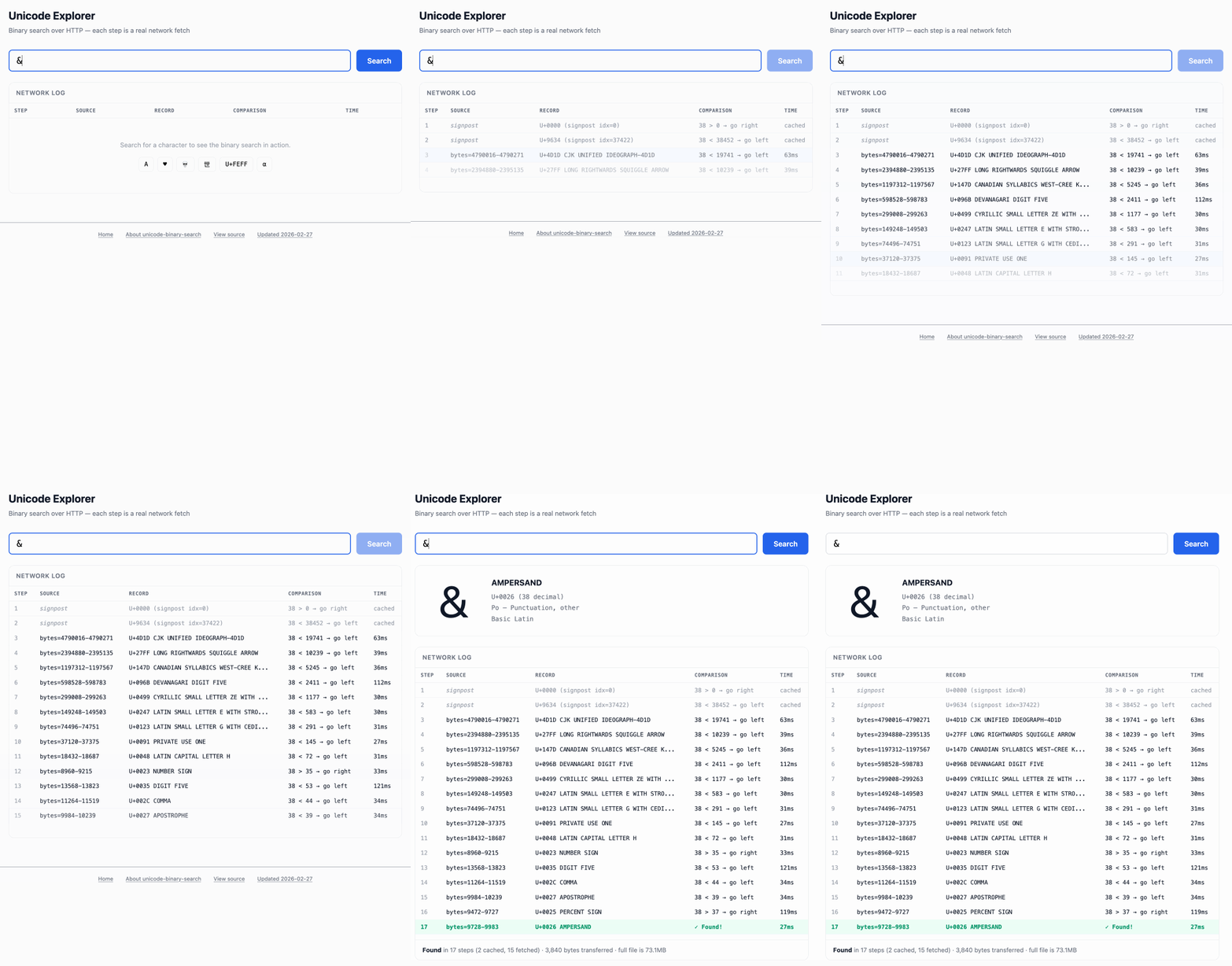
このデモは触ってみると楽しいです。øのような一文字や、1F99Cのような16進数のコードポイント指示子を入力すると、大きなファイルに対して二分探索を行い、その過程で辿ったステップを表示します:
タグ: アルゴリズム, http, 研究, ツール, unicode, ai, 生成AI, llms, AI支援プログラミング, http-range-requests
原文を表示
Unicode Explorer using binary search over fetch() HTTP range requests
Here's a little prototype I built this morning from my phone as an experiment in HTTP range requests, and a general example of using LLMs to satisfy curiosity.
I've been collecting HTTP range tricks for a while now, and I decided it would be fun to build something with them myself that used binary search against a large file to do something useful.
So I brainstormed with Claude. The challenge was coming up with a use case for binary search where the data could be naturally sorted in a way that would benefit from binary search.
One of Claude's suggestions was looking up information about unicode codepoints, which means searching through many MBs of metadata.
I had Claude write me a spec to feed to Claude Code - visible here - then kicked off an asynchronous research project with Claude Code for web against my simonw/research repo to turn that into working code.
Here's the resulting report and code. One interesting thing I learned is that Range request tricks aren't compatible with HTTP compression because they mess with the byte offset calculations. I added 'Accept-Encoding': 'identity' to the fetch() calls but this isn't actually necessary because Cloudflare and other CDNs automatically skip compression if a content-range header is present.
I deployed the result to my tools.simonwillison.net site, after first tweaking it to query the data via range requests against a CORS-enabled 76.6MB file in an S3 bucket fronted by Cloudflare.
The demo is fun to play with - type in a single character like ø or a hexadecimal codepoint indicator like 1F99C and it will binary search its way through the large file and show you the steps it takes along the way:
Tags: algorithms, http, research, tools, unicode, ai, generative-ai, llms, ai-assisted-programming, http-range-requests
News to Guide
ニュースの次に確認する
発表内容を、現在の料金や仕様と照らし合わせられる関連ガイドです。
今日のまとめ
AIデイリーブリーフで今日の重要ニュースをまとめ読み