医療現場の AI 活用と法的責任、専門家が議論
本文の状態
日本語全文を表示中
詳細モードで約8分の本文を読めます。
同じ出来事の情報源
この情報源を基点に整理
The Conversation AI
The Conversation AI が開催したウェビナーでは、医療現場におけるAIの現状を「二元論ではなく連続体」と捉え、臨床判断を支援するアルゴリズムや生成AIの活用事例、そして過度な期待による誤解について議論が行われた。
AI深層分析を開く2026年8月4日 16:52
AI深層分析
キーポイント
AIの導入は二元論ではない連続体である
David Kao氏は、医療におけるAIを「旧式の医師」か「自動判断するSkynet」という二極で捉える傾向を戒め、実際には臨床判断を補完する情報提供としての連続的な存在であると説明した。
電子カルテ監視と予測モデルの活用
機械学習アルゴリズムが患者の状態悪化を検知してチームにアラートを送る機能や、過去のデータに基づく疾患予後の予測により、医師の臨床判断を支援する事例が紹介された。
生成AIと大規模言語モデルの応用
Jodyn Platt氏は、最近の例として医師の診療記録作成を補助する「スクリバー」や医療分野のチャットボットが、大規模言語モデル(LLM)を活用していることを挙げた。
過度な期待と恐怖による誤解
Platt氏は、技術の実態よりも「世界を破壊する」といった誇張された約束や、FOMO(取り残される恐怖)に訴える「ハype」が医療AIの議論において問題視されていると指摘した。
同意の要件は州によって異なる
第三者による録音や同意に関する法律は州ごとに異なり、特定の告知がない場合もあれば、治療への一般同意に組み込まれるケースもある。
重要な引用
And the truth is it's a continuum.
They're not decisions in and of themselves. They're just better information on which to make a decision.
The third type of AI that I've recently started talking about is the 'hype'...
consent may differ depending on where you are
編集コメントを表示
編集コメント
本ウェビナーは、医療現場におけるAIの現状を「二元論」から脱却させ、実用的な支援ツールとしての位置づけを再確認する重要な議論となった。特に「ハype」としての誤解が広がりつつある中で、技術の実態と限界を明確に区別する視点は、今後の医療AI導入において不可欠である。
Source Article
元記事を日本語で読む
本文に関係しない購読案内、埋め込み通知、サイト内プロモーションは除いています。
AI ツールはすでに病院、クリニック、医師の診療所で活用されています。治療の判断を下すのは誰なのか、そして AI が誤った判断をした場合の責任所在はどこにあるのか。これらの問いに答えるため、サイエンス&テクノロジー編集者のエリック・スマリーがウェブセミナーを主宰し、ミシガン大学健康経営政策学准教授のジョディン・プラット博士と、コロラド個人化医療センターの医療ディレクターであるデイビッド・カオ博士をパネリストとして迎えました。
プラット氏の研究は、データやテクノロジーをいかに責任を持って活用し、健康改善につなげつつ公衆の信頼を獲得・維持するかを探求するものです。一方、カオ氏の研究はビッグデータ分析を活用して心疾患、特に心不全の管理を個別化することに取り組んでいます。
エリック・スマリー: 医療現場で主にどのような種類の AI が使われているとお考えですか?
デイビッド・カオ: 医療における AI を「旧来の田舎医者」のように人間がすべて行うか、「ターミネーターのスカイネット」のように生死を自動判断するかという二極化された視点で捉えようとする誘惑に駆られがちです。しかし実際には、それは連続体なのです。
コロラド州では、AI を活用して臨床判断を支援することに注力しています。電子カルテを常時監視し、患者の状態が悪化し始めた際にチームへアラートを発信する機械学習ベースのアルゴリズムも登場しています。これらはそれ自体が決定を下すものではなく、より良い情報に基づいて判断を下すためのツールです。
Jodyn Platt: 大規模言語モデルや生成 AI が普及する以前から、AI は疾患の予後予測に利用されていました。これは患者データに基づいた意思決定を支援することで、医師に対する臨床判断サポートを提供します。
「スクリブ」と呼ばれる、医師が診療記録を書くのを助けるツールを利用した医療機関を訪れたことがある方もいるでしょう。これは大規模言語モデルを活用した AI の最新事例の一つです。また、医療分野でチャットボットを利用する際にも、その背後には大規模言語モデルが動いています。
私が最近注目している AI の第三のタイプは「過熱現象」です。素晴らしい成果や世界を破壊する可能性などを謳うAI であり、FOMO(取り残される恐怖)をあおるものです。これは事実よりも感情に訴える傾向が強く、根拠が薄弱な場合が多いのです。
ES: 医師が AI ツールを利用する際、患者の同意は必須なのでしょうか?
米国では州ごとに第三者による録画や同意に関する法律が異なるため、患者の所在地によって同意の要件も異なります。そのため、医師から事前に説明がない場合も多く、近年は治療への一般的な同意書に「録音・文字起こしツールの使用」に関する条項を組み込むケースが増えています。
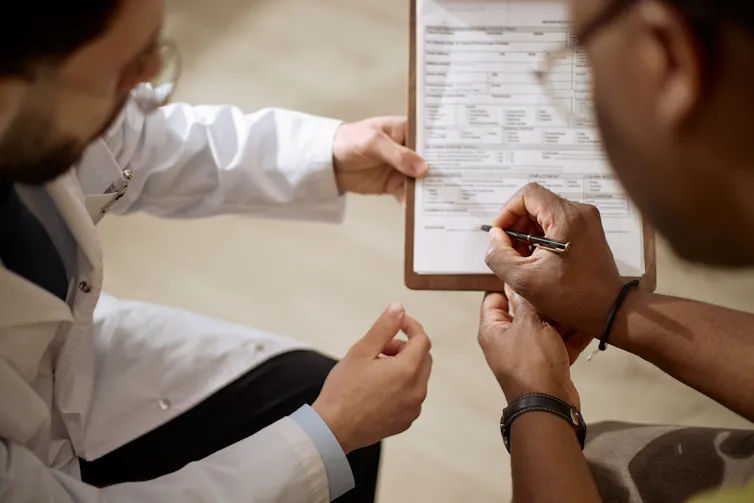
なお、録音機能は医師の判断で任意にオンオフできます。したがって、「毎回 AI が使われているか」を確認したい場合は、患者が積極的に質問しても問題ありません。
DK 氏:これは難しい問題です。MRI などの画像検査を例にとると、それらは第三者ベンダーによって遠隔地で処理される場合があります。しかし、画像を外部に送る際に個別の同意を得ることは通常ありません。問題は、どこまでが「同意が必要になるライン」なのかという点にあります。
そうすべきだと言っているわけではありませんが、現状の課題はまさにそこにあるのです。実際、多くの人のデータは数十年にわたり、多数のビジネスパートナーと共有されてきました。その情報は、現在 AI モデルに提供される情報よりも、はるかに機密性の高いものです。
ES: 患者はどのようにしてある程度のデータプライバシーを確保できるのでしょうか?
JP: 医療システムでは、HIPAA や一般的なデータプライバシー規則に準拠した第三者ベンダーとの取引が行われます。問題は、実際に提携している企業に対して安心感を持てるかどうかです。
私が考える大きな課題の一つは、医療システム外で情報を共有することへの懸念です。医師の診察を受けるまでに時間がかかる場合や、そもそも医師がいないケースもあります。そのような状況で ChatGPT や外部の LLM システムに医療情報を入力して理解を深めようとしても、そのデータは保護されません。
ES: FDA は医薬品とともに医療機器も規制していますが、患者ケアに使用される AI を誰が規制するのでしょうか?
DK: 各州は患者ケアにおけるAIに関する独自の規制を設けており、これが非常に混乱を招いています。なぜなら、それらの州には医療規制を行う他の能力がないからです。業界としては最終的に、医薬品と同様に有効性と安全性を検証するための国家基準またはプロセスが確立されることを望んでいます。おそらく、これはFDAの機器規制部門である「Center for Devices and Radiological Health」によって規制されることになるでしょう。
しかし、AIの評価には難しさがあります。もし服用するたびに薬の内容が変わるようなものであれば、その安全性をどう判断すればよいのでしょうか?既存の考え方は、このケースにはあまり当てはまりません。
JP: 臨床医が耳にするのは、「AIが関与する意思決定に対して責任を持つのは自分たちだ」という点です。したがって、診療録は依然として人間によって署名されます。AIの支援を受けたメールも同様で、その内容に対する責任は実在する人間が負います。
現時点でこれを実際に活用できる唯一の方法だと私は考えます。規制プロセスが存在しない以上、必ず人間の関与(ヒューマン・イン・ザ・ループ)が必要です。
ES: AIを使って自分自身を治療しようとする人々について、懸念やご意見はありますか?
DK: 賢明ではないと思いますが、人々はそれを実行してしまうでしょう。

治療の判断を下す際には、人間の関与が不可欠です。しかし、AI に頼る人もいます。MTStock Studio/E+ via Getty Images
医療と AI において「人間がループ(プロセス)に参加する」必要性についてよく語られます。しかし、この場合の「人間」とは患者自身であり、彼らが推奨される治療が適切かどうかを判断するのは、実はあまり得意ではありません。まるで自分自身で治療を行うようなもので、うまくいくことはほとんどありません。
ES: この技術が、個人だけでなく社会全体の利益のために開発・導入されるようにするには、どうすればよいでしょうか?
JP: 私は最近、ピッツバーグ大学の研究者であるミランダ・ヤバー(Miranda Yaver)氏が提唱した枠組みについて学びました。彼女はこれを「公平性」の問題として捉えています。
大手企業や大規模組織がシステムの構築に携わる一方で、彼女はそのシステムの一部もまた一般市民自身であることを明確にする必要があると主張します。私たちはそのシステムをどのように navigating( navigating する)べきかを理解し、それを実行するためのリソースを持つ必要があります。参入障壁が高すぎるため、通常はそれを学ぶ機会さえ得られないのです。
システムを開発するにあたり、患者や一般市民が継続的にアクセスし、選択権を行使できるとともに、自分たちのデータや情報を望む形で保護できる仕組みを見つけることが極めて重要だと考えています。
原文を表示
*AI tools are already being used in hospitals, clinics and doctors’ offices. Who is making treatment decisions, and who is responsible if an AI gets it wrong? To address these questions, Science and Technology editor Eric Smalley hosted a webinar with panelists Dr. Jodyn Platt, an Associate Professor Health Management and Policy at the University of Michigan, and Dr. David Kao, Medical Director at the Colorado Center for Personalized Medicine.*
*Platt’s work explores how data and technology can be used responsibly to improve health while earning and sustaining public trust. Kao’s research is focused on using big data analysis to personalize management of heart disease, most notably heart failure.*
Eric Smalley: What are the main types of AI that you see being used in healthcare?
David Kao: There’s a temptation to think of AI in healthcare in sort of a binary way: You’re either doing it like the old country doctor or like Skynet from Terminator where it’s automatically making decisions about living or dying for all these people. And the truth is it’s a continuum.
In Colorado, we focus on using AI to augment clinical decision-making. There are machine learning-based algorithms that will monitor the electronic health record continuously, and if someone starts to look worse, they’ll alert the team. They’re not decisions in and of themselves. They’re just better information on which to make a decision.
Jodyn Platt: Before we had large language models and generative AI, we used AI to make predictions about disease prognosis. This gives doctors clinical decision support by helping us make decisions based on patient data.
If you’ve been to see a doctor that uses a scribe that helps them write clinical notes, that’s a very recent example of AI that’s using a large language model. Whenever you engage in a chat bot around healthcare, that would also be another example of a large language model that’s underlying that tool.
The third type of AI that I’ve recently started talking about is the “hype”, the AI that promises great and amazing things or promises that it may destroy the world. It creates a fear of missing out, and it’s very based on feeling and not a lot of fact.
ES: Are folks required to consent when doctors use AI tools?
JP: Every state is different in terms of third-party recording and consent things like that, so consent may differ depending on where you are. So sometimes nobody will tell you, or increasingly consent is incorporated into your general consent to treatment.
A clinician can turn it on and off on their own volition also if they feel like they want to turn it off, they can. So asking if AI is being used at every visit is reasonable if you want to know for sure.
DK: It’s a hard proposition. If you think about imaging studies like an MRI, those may be processed offsite by a third-party vendor. But we don’t ask for consent to send the images to be processed externally. The problem is where is that line? You know, at what point do you start to need consent?
I’m not saying that that’s how it should stay, but that is kind of where the vagaries are because the fact of the matter is a lot of people’s data is going to a lot of business partners and has been for decades. That information is far more intimate than anything you would give an AI model right now, like truly.
ES: How can patients be assured of some degree of data privacy?
JP: Health systems are going to engage in relationships with third-party vendors that are compliant in terms of HIPAA and all the data privacy rules that you would expect. The question is whether you feel comfortable with whatever company folks are working with.
I think one of the bigger issues, if data privacy is important to you, is sharing your information outside of the healthcare system. It can take a long time to see a doctor, or there may not be a doctor. If you feed medical information to a ChatGPT or some external LLM system to help you understand it, your data is not protected.
ES: The FDA regulates medical devices along with drugs, but who regulates an AI that’s used in patient care?
DK: States have made their own regulations for AI in patient care which makes it super confusing because they don’t have any other medical regulatory capacity. Ultimately, the hope from an industry perspective is for a national standard or process to prove efficacy and safety just as we do with medications. It’ll probably be regulated by the Center for Devices and Radiological Health, the FDA’s arm of device regulation.
The difficulty is that evaluating AI is different. If a medication was different every time you took it, how do you say whether it’s safe? The established ways we think about that don’t really apply.
JP: I think what clinicians hear is that it’s their responsibility when a decision is made and AI is in the mix. So the clinic note is still signed by a person. Any email that’s assisted by AI is also signed by a real person, and they’re accountable for what’s in those messages.
I would say that’s the only way we can use it really at all right now. The regulatory process doesn’t exist, so there has to be a human-in-the-loop component to it.
ES: What are your concerns or thoughts about people deciding to treat themselves with AI?
DK: I think it’s unwise, but I know people are going to do it.
We talk about needing human-in-the-loop for health and AI, right? In this case, it’s the patient who’s the human in the loop, who is probably not a great judge of whether the recommendations are appropriate or not. It’s sort of like treating yourself, which almost never goes well.
ES: How can we ensure that this technology is developed and deployed in the best interest of the public as well as the individual?
JP: I recently learned about a framework that was developed by a researcher at the University of Pittsburgh, Miranda Yaver, who thinks about this as an equity question.
The big actors create part of the system. But she argues that the public needs to know that they’re also part of it. We have to know how to navigate the system and need to have the resources to be able to do that. The barrier to entry is high enough that we don’t usually learn to do it.
So I think finding ways that patients and the public can have that continuous access to be able to exercise choices and have their data and information protected in ways that they want is critical as we’re developing the system.
News to Guide
ニュースの次に確認する
発表内容を、現在の料金や仕様と照らし合わせられる関連ガイドです。
今日のまとめ
AIデイリーブリーフで今日の重要ニュースをまとめ読み