ブリタニカ百科事典、OpenAIを無断で約10万記事の学習使用により提訴
本文の状態
日本語全文を表示中
詳細モードで約1分の本文を読めます。
同じ出来事の情報源
6媒体で確認
The Decoder · LY Corp Tech Blog · TechCrunch AI · Ars Technica AI · The Verge AI · TLDR AI
各社の報じ方を比較 ↓ブリタニカ百科事典がOpenAIを、許可なく約10万記事をAI学習に使用したとして著作権侵害で提訴した。欧州ではAIモデルが著作物を「保存」できるかについて裁判所の判断が分かれている。
Source Article
元記事を日本語で読む
本文に関係しない購読案内、埋め込み通知、サイト内プロモーションは除いています。
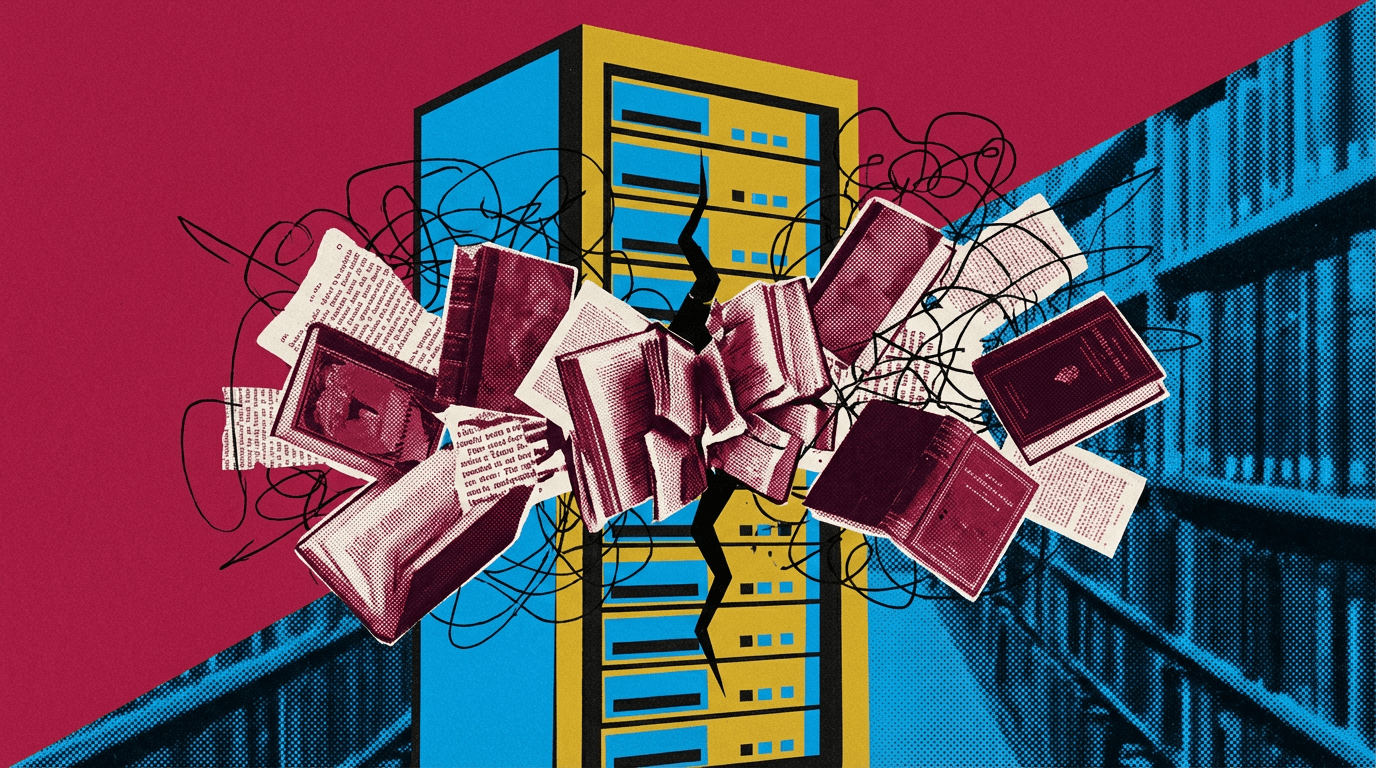
ブリタニカ百科事典は、無断で複製された約10万記事についてOpenAIを提訴しました。同時に、欧州の裁判所では、AIモデルが著作権保護作品を「保存」できるかどうかをめぐる議論が行われており、相反する判決が下されています。
原文を表示
Encyclopedia Britannica and its subsidiary Merriam-Webster have filed a lawsuit against OpenAI in federal court in Manhattan.
The lawsuit alleges that OpenAI used nearly 100,000 online articles, encyclopedia entries, and dictionary definitions without permission to train its AI models, Reuters first reported. According to the complaint, ChatGPT produces near-verbatim copies of Britannica content in some cases, pulling users away from Britannica's own websites.
Britannica is also accusing OpenAI of trademark infringement, claiming ChatGPT creates the false impression that Britannica has endorsed its use and cites Britannica as a source in inaccurate AI responses. The company is seeking damages and an injunction.
The complaint states that GPT-4 has "memorized" much of Britannica's copyrighted content and can reproduce near-verbatim copies of entire sections on demand.
GPT-4 itself has "memorized" much of Britannica's copyrighted content and will output near-verbatim copies of significant portions on demand. The memorized examples are unauthorized copies that Defendants used to train their models, including GPT-4.
Excerpt from the complaint
Courts are split on whether AI models actually "store" copyrighted works
Whether AI models store copyrighted works in their parameters—and whether that counts as copying—is a question courts are answering in very different ways right now. In the GEMA v. OpenAI case, a Munich court ruled that song lyrics were embedded in the model weights of GPT-4 and GPT-4o, and that this constituted copyright-relevant reproduction.
Model weights are the numerical values an AI model learns during training that determine what outputs it generates. For the Munich court, it was enough that a work could be reproduced from these parameters to justify claims for injunctive relief and damages.
The UK High Court reached the opposite conclusion in Getty Images v. Stability AI: an AI model is not an "infringing copy" because its weights neither contain nor reproduce copyrighted works. The court found that the weights only store learned patterns, not actual works.
Meanwhile, a study by researchers at Stanford and Yale shows just how real the problem is - the team managed to extract entire books from leading AI models almost word for word.
AI News Without the Hype – Curated by Humans
Subscribe to THE DECODER for ad-free reading, a weekly AI newsletter, our exclusive "AI Radar" frontier report six times a year, full archive access, and access to our comment section.
Subscribe now
同じ出来事を6媒体で確認
同じ出来事を扱う別媒体の記事です。見出しと公開時刻を比較できます。
関連記事
今日のまとめ
AIデイリーブリーフで今日の重要ニュースをまとめ読み